Stainless Steel 316

  1. Home
  2. /
  3. Products
  4. /
  5. Stainless Steel
  6. /Stainless Steel 316

Stainless Steel 316

Additional information

UNS Number

S31600

Werkstoff Number

1.4401

Description

Stainless Steel 316 has molybdenum-bearing grade making it a fair bit more resilient to corrosive abuse than Stainless Steel 304. This is especially noticeable in highly sulfuric, hydrochloric, formic and tartaric environments where pitting usually persists. Stainless Steel 316 is extremely versatile; not only does it have strong forming and welding characteristics, but it has the ability to fold or roll so it can be easily transformed into a number of applications. Additionally, Stainless Steel 316 tends to hold up better than 304 in higher temperature environments.

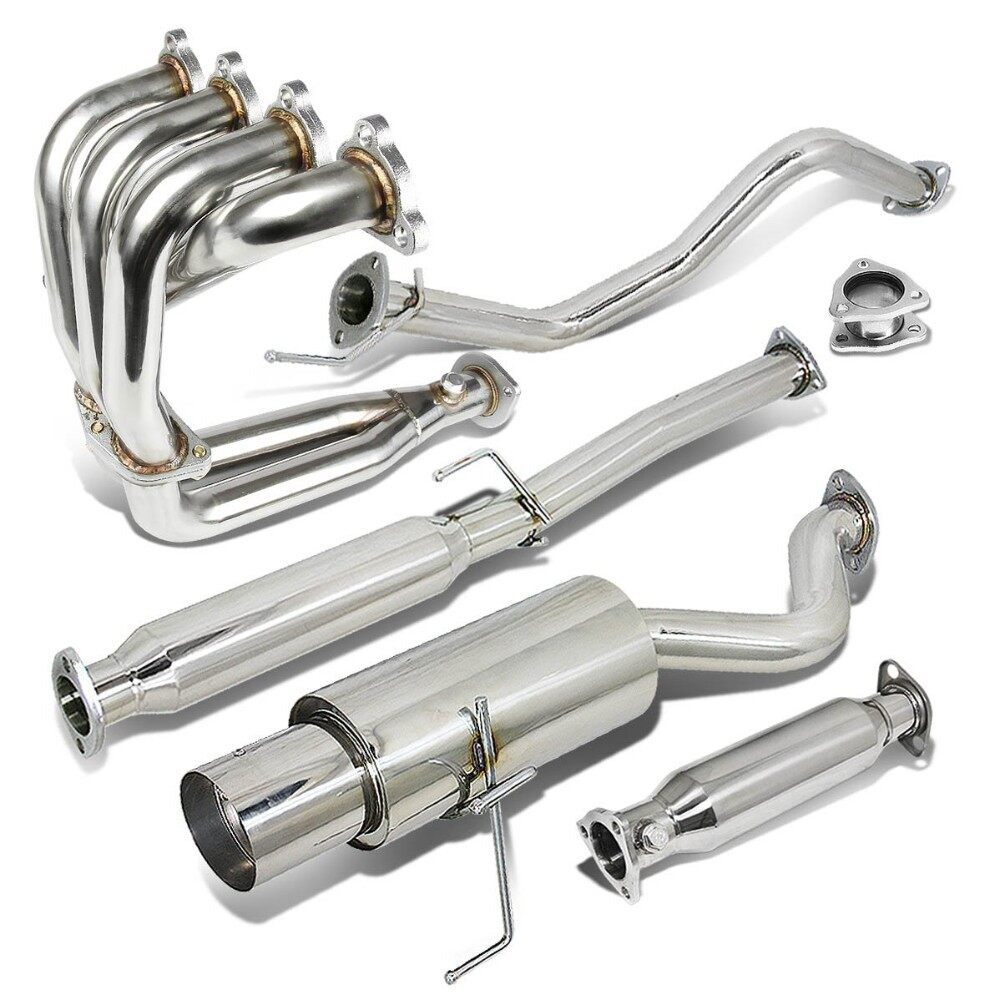
Similar to Stainless Steel 304, Stainless Steel 316 is one of the more popular austenitic stainless steels. Because of its outstanding welding capabilities and toughness against corrosion, you can typically find Stainless Steel 316 in these applications: food preparation equipment, marine, coastal architecture, boat fittings, woven screens for quarrying and water filtration, heat exchangers, jet engine parts, etc.


Application

Typical applications

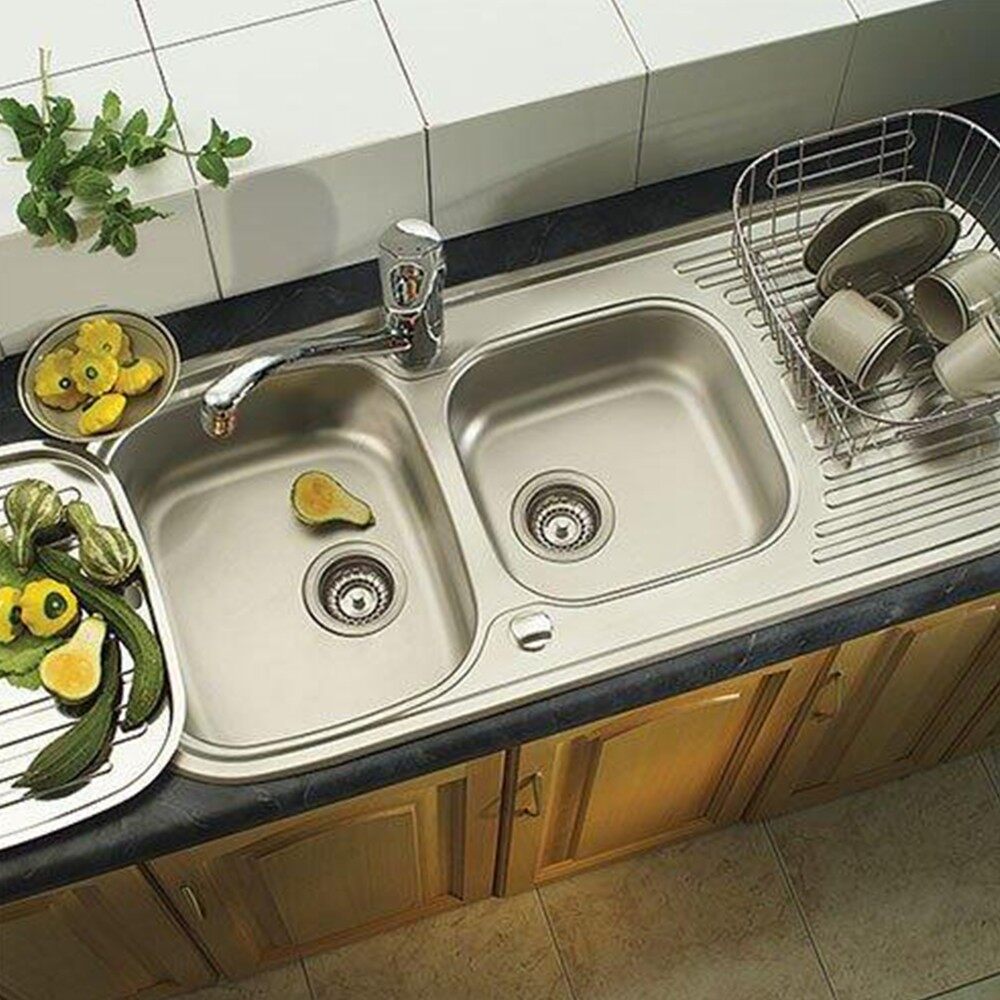
  • Kitchen sinks, consumer durables
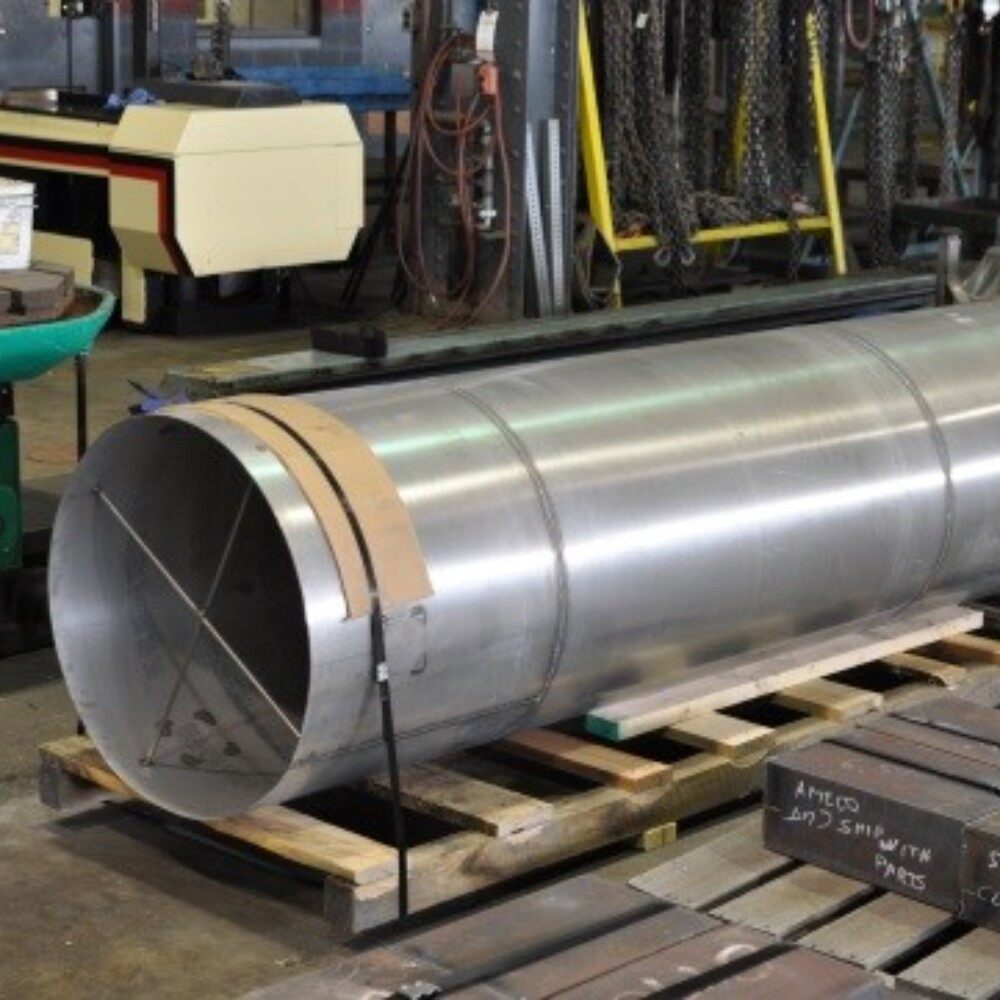
  • Chemical containers, including for transport
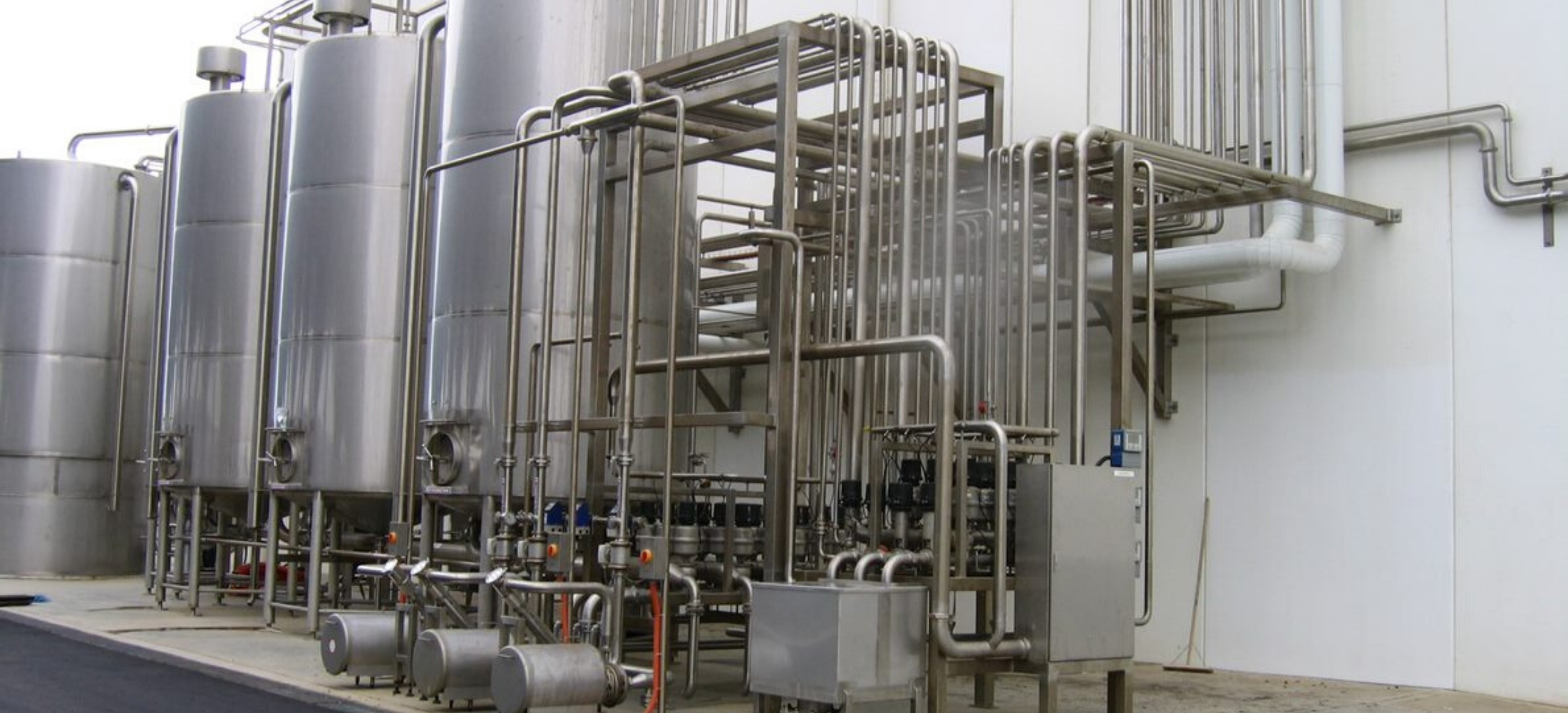
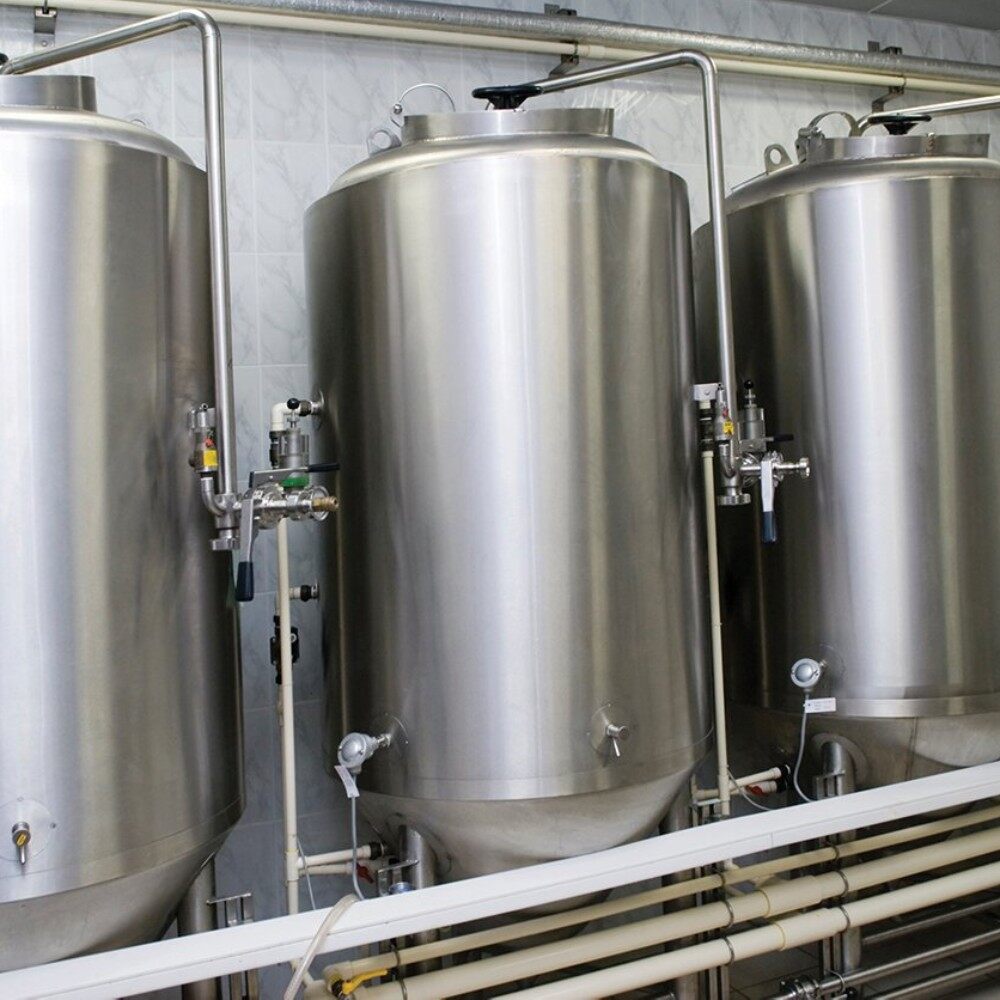
  • Food processing equipment, particularly in beer brewing, milk processing, and wine making
  • Fasteners and flange manufacturing
  • Architectural applications such as roofing and cladding, doors and windows
  • Automotive and aerospace components
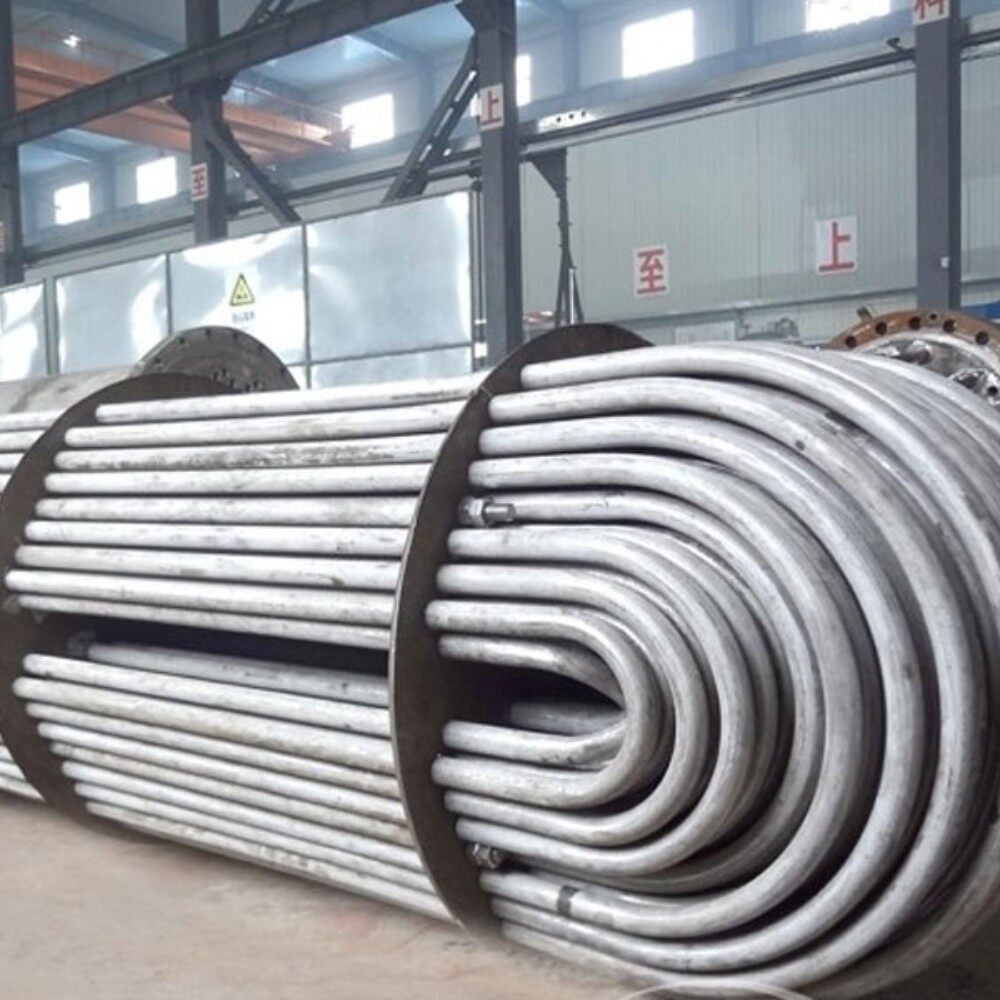
  • Heat exchangers

Chemical Component

Chemical Components C Si Mn P S Cr Ni Mo N
Minimum 16.5 10 2
Maximum 0.07 1 2 0.045 0.015 18.5 13 2.5 0.11

Mechanical Properties

Elastic Modulus Coefficient of Thermal Expansion (CTE) Coefficient of Thermal Conductivity Specific Heat Capacity Resistivity Magnetism
20°C 100°C 200°C 300°C 400°C 500°C 100°C 200°C 300°C 400°C 500°C 20°C 20°C 20°C
GPa 10-6K-1 W/m.K J/kg.K Ω.mm2/m
200 194 186 179 172 165 16 16.5 17 17.5 18 15 500 0.73 No

*-Small amounts of ferrite and/or martensite caused by cold deformation will increase the magnetizability.
Diameter
d
mm
Tensile Strength
σb 
Mpa
Yield Point
σs 
Mpa
Elongation
δ 
%
Impact Strength

KV2 

J

d≤160(+AT) 500~700 ≥200 ≥40 ≥100
d≤35(+C700) 700~850 ≥350 ≥20 ≥80
d≤25(+C800) 800~1000 ≥500 ≥12 ≥80


Product Form

Product Form Size Range From Size Range To
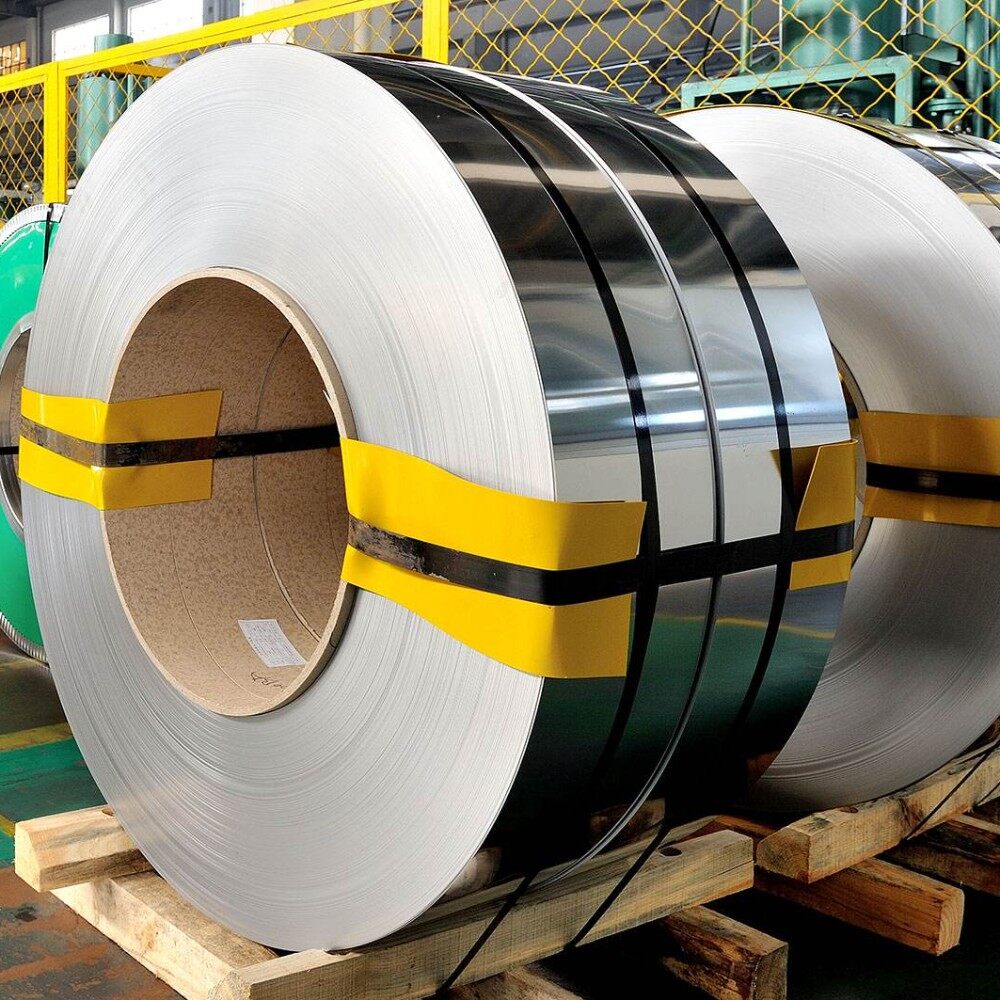
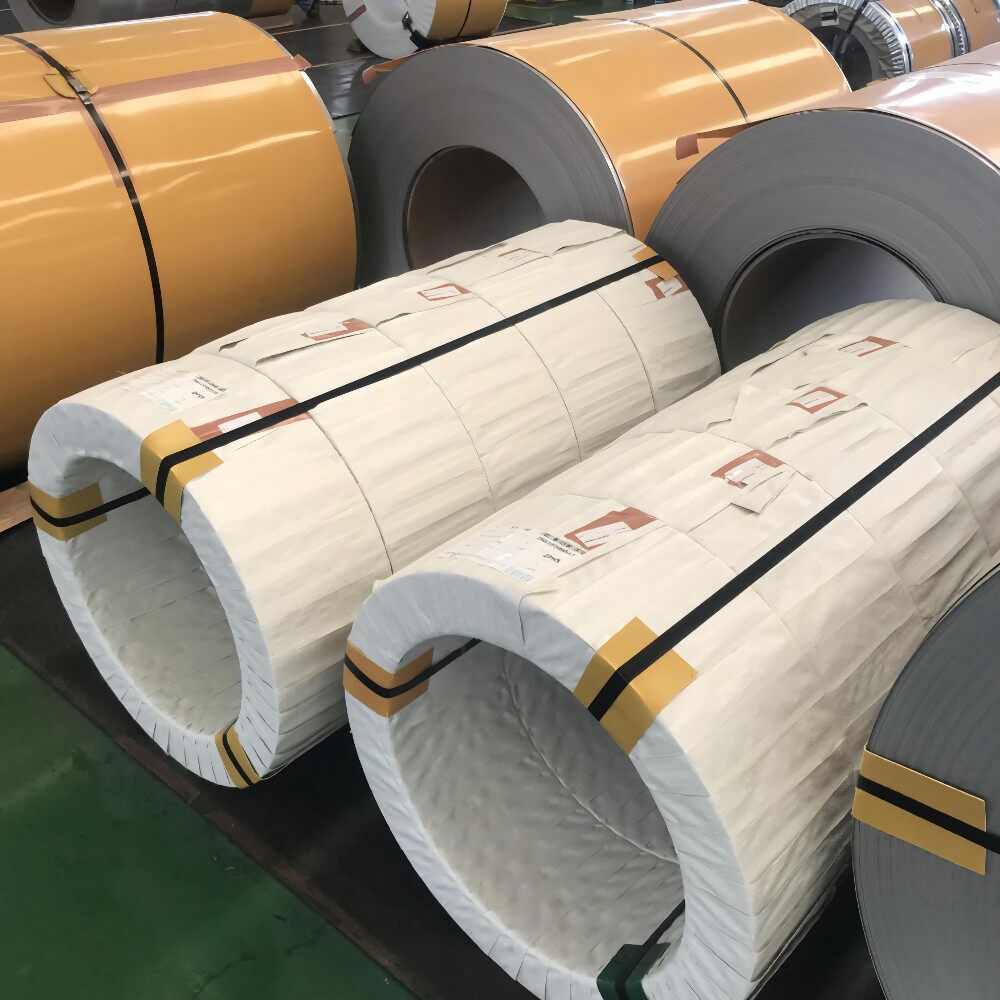
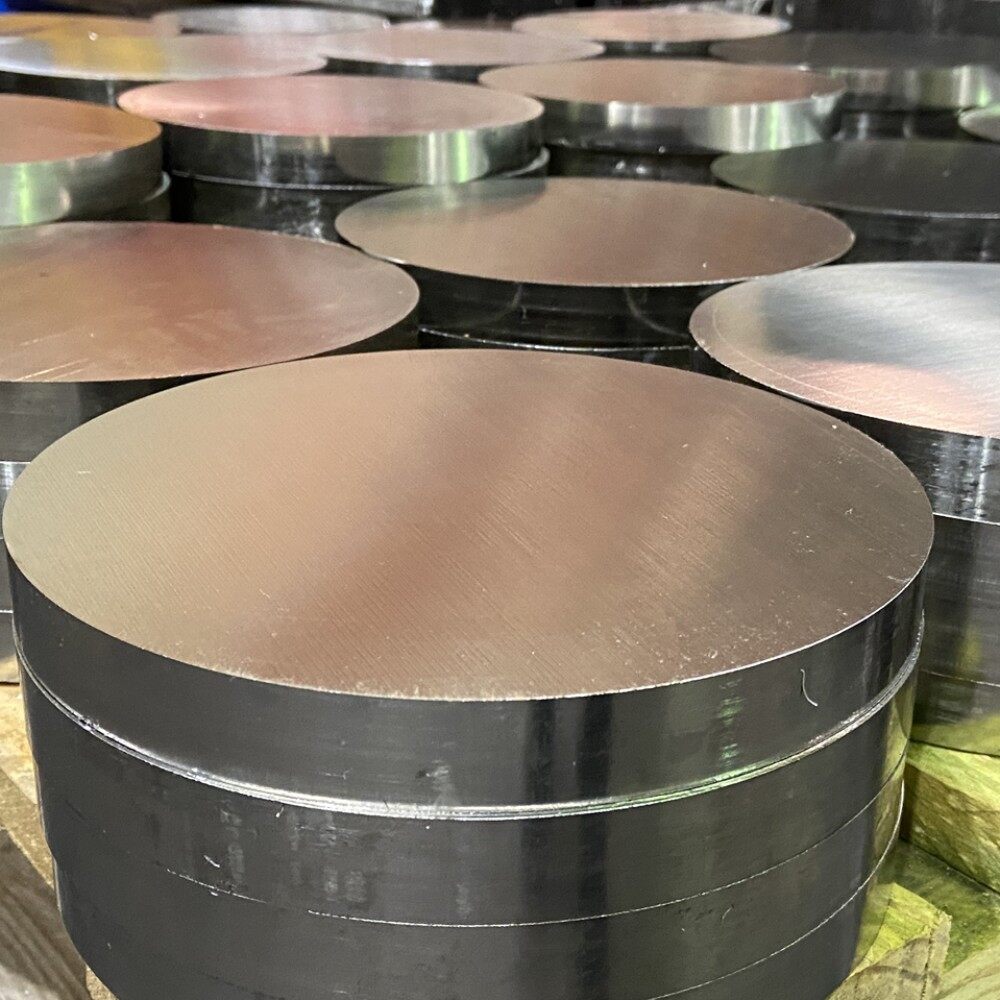
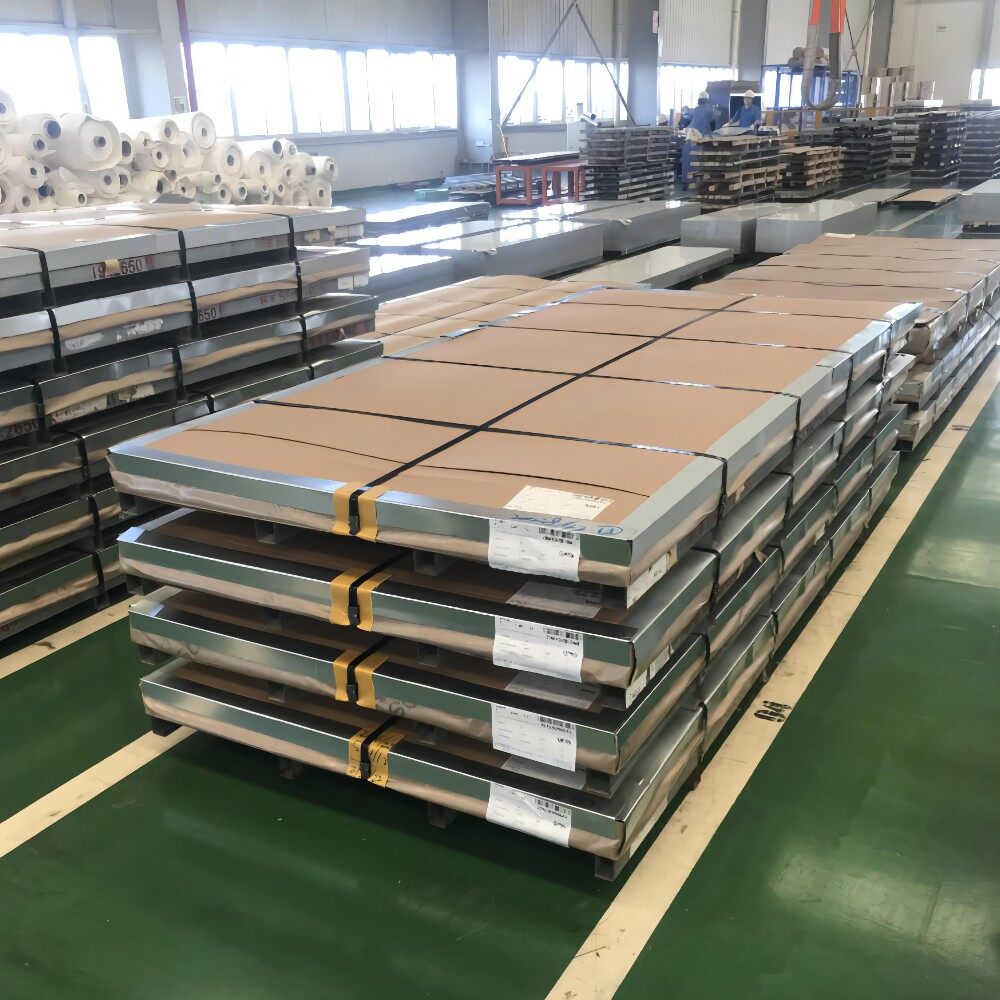
Sheet & Plate 0.30 mm 25 mm
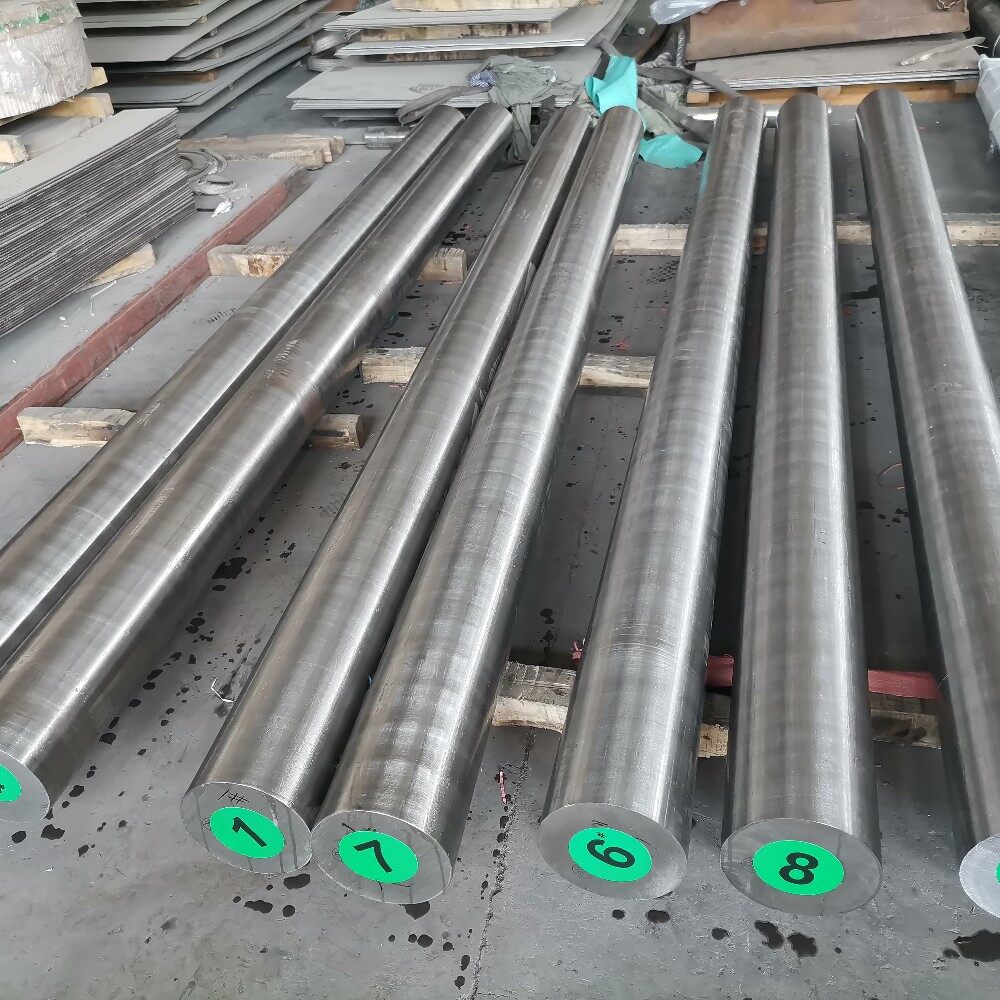
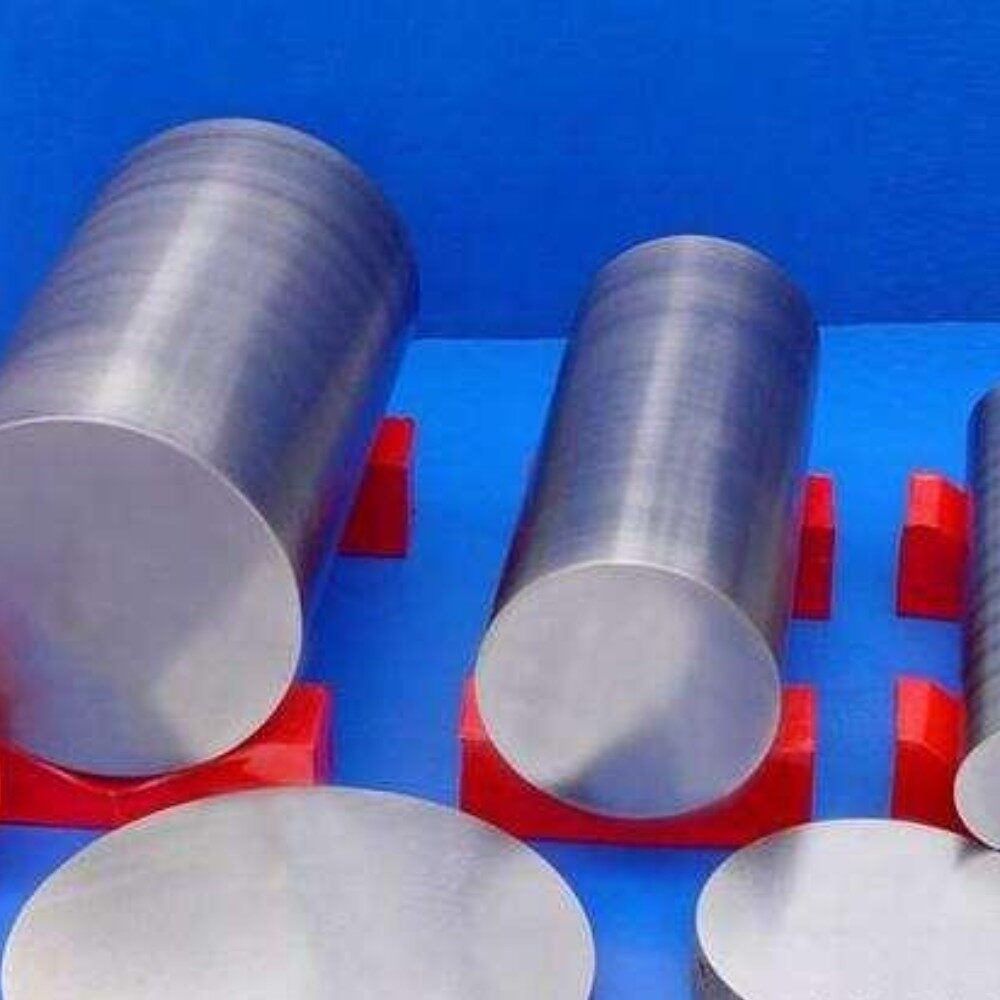
Round Bar 4 mm 380 mm
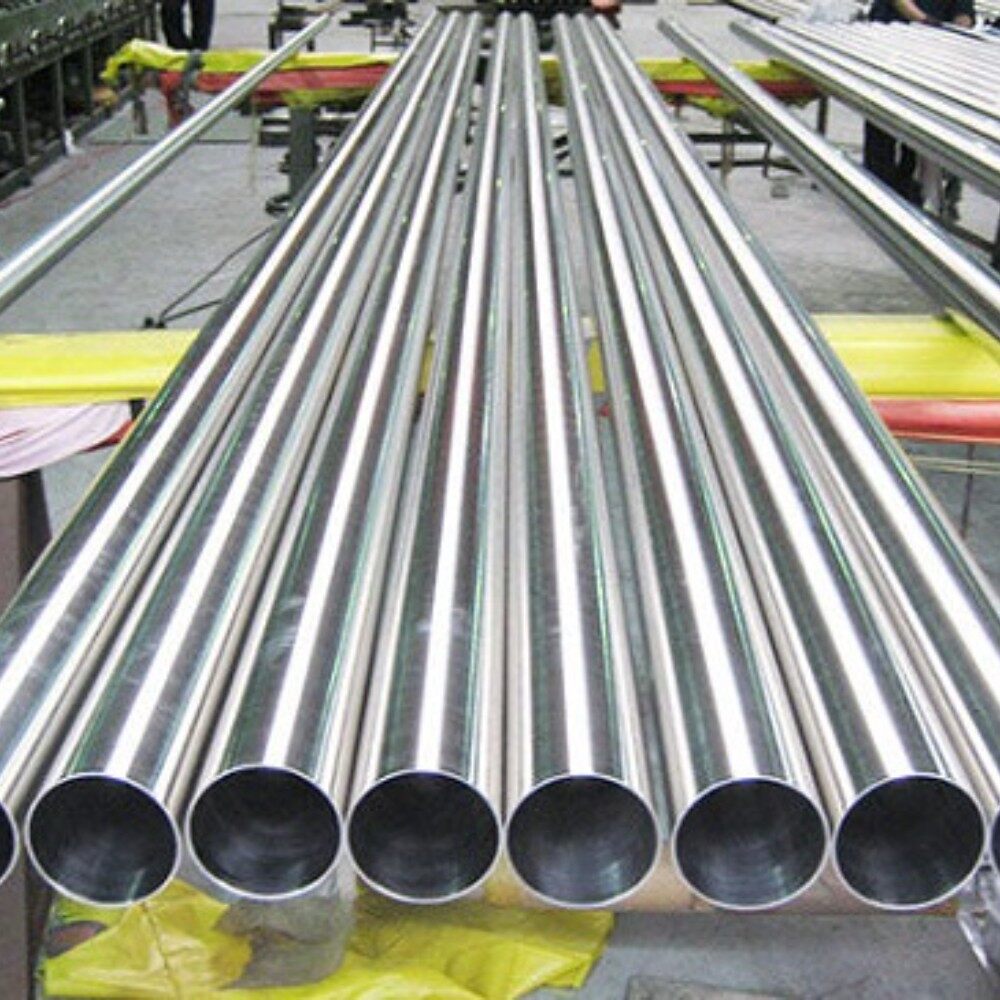
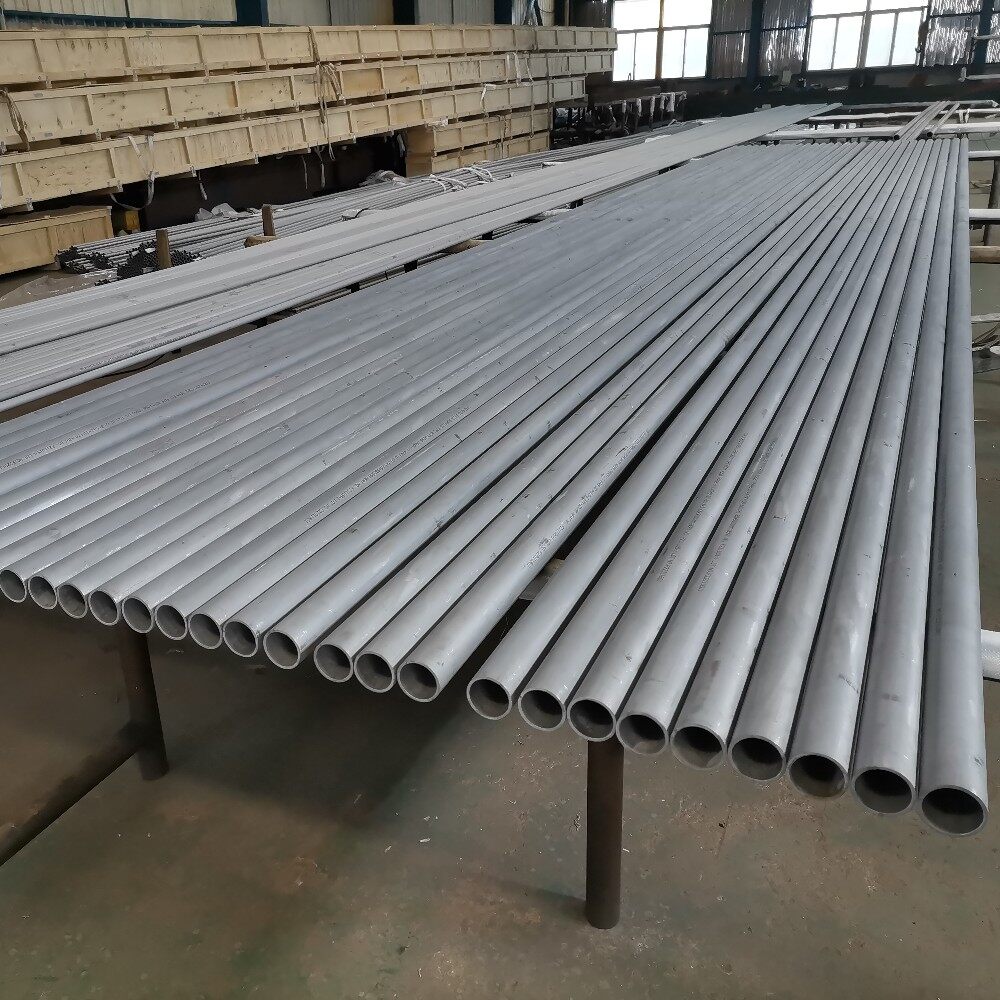
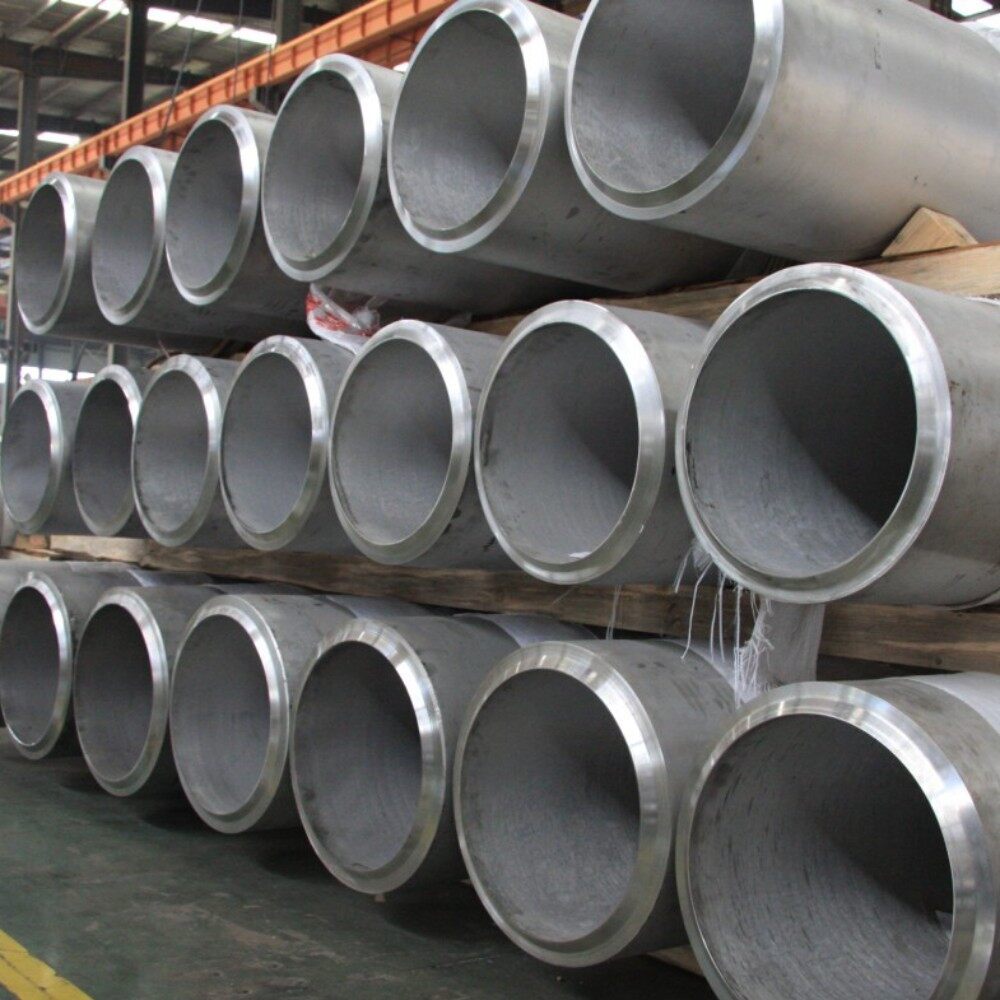
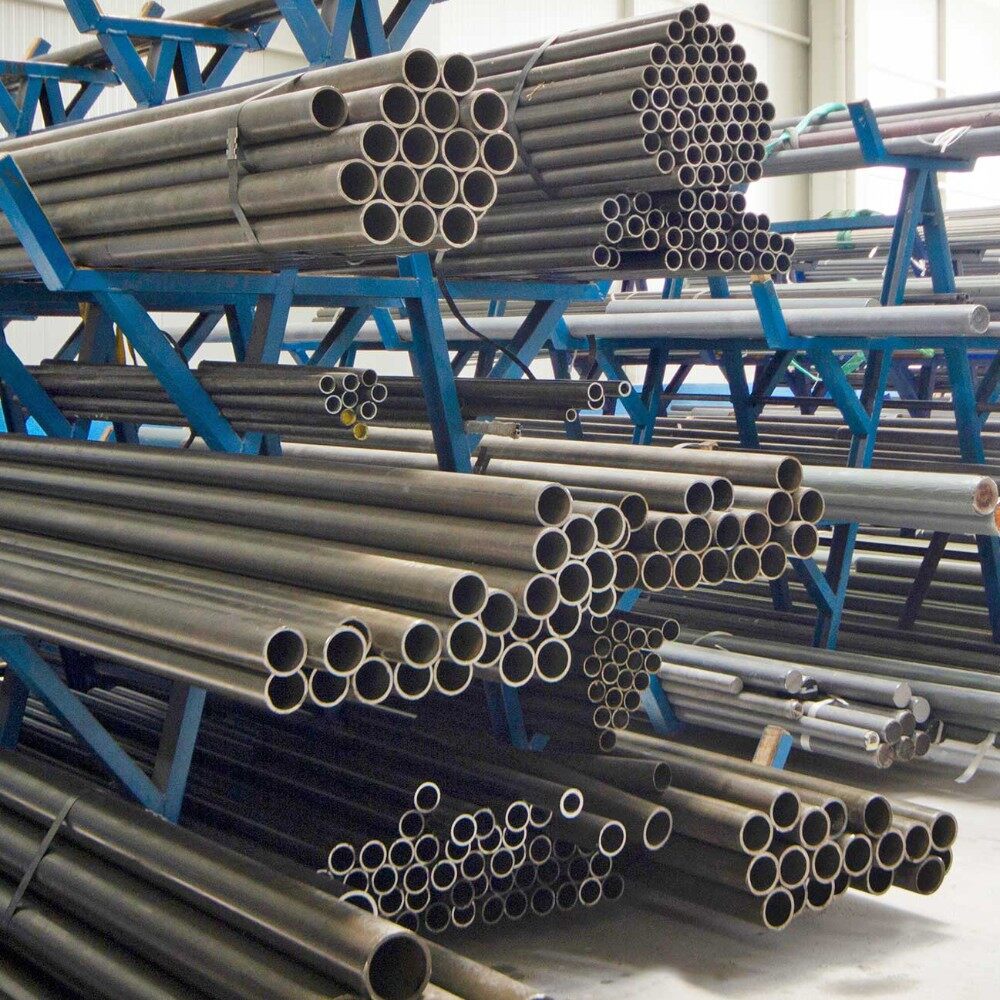
Tube 6 mm 260 mm


Request a Quote